
Virtual Clinical Trial: Complete Guide & Benefits (2026)
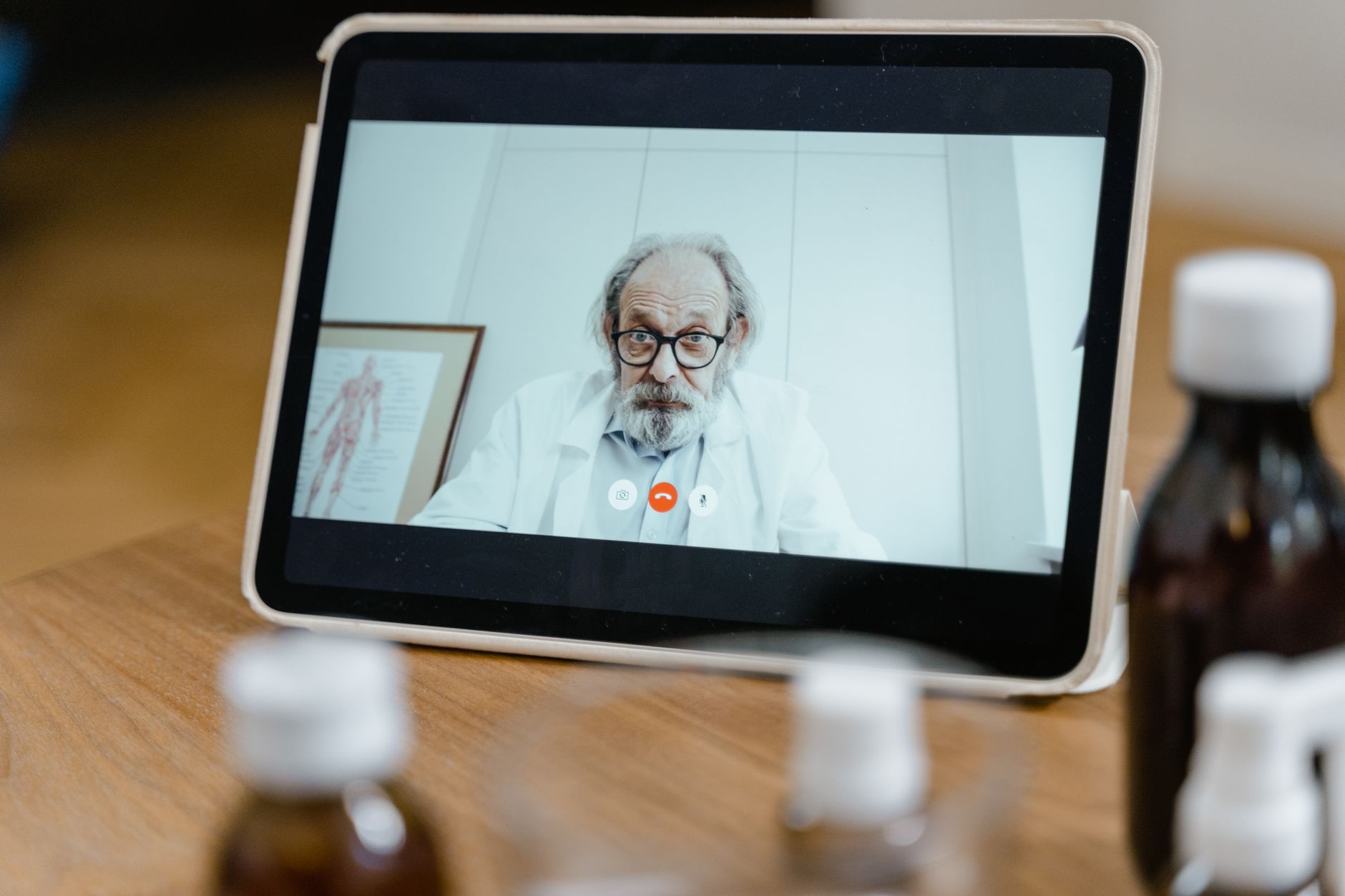
Clinical research has traditionally meant frequent, sometimes burdensome, trips to a hospital or clinic. But what if the trial could come to you? Welcome to the world of the virtual clinical trial, a modern approach that is reshaping medical research by bringing it directly into patients’ homes.
A virtual clinical trial, also known as a decentralized or siteless trial, uses digital technology to conduct study activities remotely. Instead of constant travel, participants can use smartphone apps, wearable sensors, and telehealth visits to engage with researchers from wherever they are. This model gained significant momentum during the COVID 19 pandemic, which forced the industry to find innovative, remote solutions for continuing vital research.
The core idea is simple yet powerful: make research more convenient and accessible for everyone. By doing so, a virtual clinical trial can attract a wider range of participants, keep them engaged longer, and potentially get answers faster and at a lower cost.
Understanding the Terminology
You’ll often hear a few terms used interchangeably. A decentralized clinical trial (DCT) is a study where some or all activities happen outside of traditional research sites. This could mean anything from a few telehealth follow ups to a fully remote study. A virtual clinical trial is essentially a type of decentralized trial.
The Core Components of a Virtual Clinical Trial
How does a trial actually work without a central site? It relies on a few key components and decentralized clinical trials technology that replace in person interactions.
Telehealth and At Home Visits
Many activities that once required a clinic visit can now be handled remotely. Telehealth, or secure video calls with study doctors and nurses, has become a cornerstone of the virtual clinical trial. Its use in the U.S. stabilized at levels 38 times higher than before the pandemic, showing widespread acceptance by both patients and providers. These virtual visits are used for everything from initial screening discussions to routine check ins.
For tasks that require a hands on approach, such as blood draws or physical exams, mobile healthcare providers can conduct at home visits. This hybrid approach offers the best of both worlds: the convenience of staying home with the assurance of professional medical care.
Direct to Participant Trials
Another key element is the direct to participant (DtP) model. Instead of traveling to a clinic to pick up study medications, the treatments and materials are shipped securely to the participant’s home. This approach is especially helpful for patients with mobility issues or those who live far from a study site. Of course, this requires careful planning to ensure proper handling, storage, and patient safety, all while following Good Clinical Practice (GCP) standards.
How Virtual Trials Collect Better Data
One of the most exciting aspects of a virtual clinical trial is its ability to gather a richer, more continuous stream of information.
Real Time Data Collection
Traditional trials capture data in snapshots during periodic clinic visits. In contrast, a virtual clinical trial often uses wearable sensors and smartphone apps for ePRO/eCOA to collect data in real time, 24/7. This continuous flow of information, from heart rate and activity levels to blood glucose readings, gives researchers a much more detailed picture of a participant’s health in their everyday environment. This can lead to the earlier identification of side effects or changes in a patient’s condition.
This approach also enables passive data capture, where information is collected automatically without the participant having to do anything. This reduces the burden on patients and study staff alike.
Data Management and Integrity
Of course, collecting massive amounts of data from diverse sources presents a challenge. Ensuring data integrity is critical. In a large digital study, researchers found that linking various data streams (like app data, wearable data, and survey responses) for each unique participant was a complex task. It requires robust systems to clean, verify, and integrate the information accurately.
Successful virtual trials use sophisticated data management platforms with built-in audit trails, ensuring every data point is secure, traceable, and ready for regulatory review.
The Benefits of a Virtual Clinical Trial
Why is the industry moving toward this model? The advantages are compelling for both patients and researchers.
- Broader Patient Access and Diversity: By removing geographic barriers, virtual trials can include people from rural or underserved communities who couldn’t otherwise participate. This leads to a more diverse participant pool, which means the study results are more applicable to the general population.
- A Better Patient Experience: Virtual trials are designed to be patient centric. Less travel and disruption mean a more convenient experience, which can lead to higher satisfaction and retention. In fact, surveys show that over 50% of patients are more likely to join a study if it offers at home care options.
- Faster Timelines and Lower Costs: With less need for physical site infrastructure and more efficient digital workflows, a virtual clinical trial can often be completed sooner and at a lower cost.
Platforms like Curebase are designed to help research sponsors capitalize on these benefits, creating trials that are more efficient and patient friendly.
The Challenges You Should Know About
Despite the promise, running a virtual clinical trial comes with its own set of hurdles.
- The Digital Divide: This model relies on participants having reliable internet and a smart device. However, an estimated 42 million Americans lack access to broadband internet, which could exclude them from participation.
- Not a Fit for All Trials: Some studies, like those involving complex surgeries or high risk therapies, may not be suitable for a fully remote approach. The suitability depends on how much in person support is required for patient safety.
- Data Privacy and Security: Transmitting sensitive health data online raises significant security concerns. The healthcare industry is a prime target for cyberattacks, with the average cost of a data breach reaching nearly $11 million in 2023.
- Logistical Hurdles: Managing the shipment of study drugs and the collection of biological samples from participants’ homes requires intricate coordination and quality control.
Staying Compliant: Ethics and Regulations
A virtual clinical trial must meet the same high ethical and regulatory standards as any traditional study.
Regulatory and Ethical Considerations
Patient safety and informed consent remain the top priorities. The consent process is often done electronically (eConsent), using videos and quizzes to ensure participants fully understand the study before they sign. Ethics committees, or Institutional Review Boards (IRBs), pay close attention to how a virtual trial protects participant rights, safety, and privacy.
Data Privacy and Security
Protecting patient data is non negotiable. Virtual trial platforms must use robust security measures like encryption, secure user authentication, and regular security audits. They must also comply with privacy laws like HIPAA in the US and GDPR in Europe. Building a trial with a “privacy by design” approach helps ensure that only necessary data is collected and access is strictly limited.
Regulatory Guidance for the Virtual Trial
Fortunately, regulators are embracing this new model. In May 2023, the U.S. Food and Drug Administration (FDA) released draft guidance specifically for decentralized trials, providing a clear roadmap for sponsors. The FDA Commissioner noted that these trials can “expand access to more diverse populations, improve trial efficiencies, and facilitate research on rare diseases.”
Similarly, European regulators released recommendations in late 2022 to facilitate decentralized trials across the EU. This official support gives sponsors the confidence to invest in and design innovative virtual clinical trial models.
Keys to Success: Technology and Engagement
A successful virtual clinical trial depends on two things: the right technology and a strong plan for keeping participants engaged.
Technology and Infrastructure Requirements
Participants need access to a smartphone or computer and a reliable internet connection. To bridge the digital divide, sponsors may provide participants with pre configured devices or cover the costs of a data plan.
On the research side, a secure eClinical software ecosystem is required, including:
- An electronic data capture (EDC) system
- A telehealth platform for virtual visits
- An eConsent platform
- A user friendly mobile app or web portal for participants
Crucially, all technology should be designed with the user in mind. Involving patients in the design process can ensure the tools are intuitive and easy to use. Expert partners like Curebase provide a turnkey technology platform to manage these complex requirements.
Participant Engagement and Retention
Keeping participants motivated is key. While virtual trials reduce the burden of travel, they lack the in person connection of a traditional study. Dropout rates in clinical research can average around 30%, which threatens study outcomes.
Well designed virtual trials can achieve outstanding retention. One fully remote study of atopic dermatitis reported an incredible 96% retention rate, attributing its success to strong digital engagement strategies. However, other studies have found that simply sending an app notification isn’t enough; proactive outreach from study staff is often needed to keep participants on track.
Effective strategies include regular communication, digital reminders, and a dedicated helpdesk to provide technical support.
Lessons from the Real World
The theory behind the virtual clinical trial is powerful, but what have we learned from studies that have already put it into practice?
Lessons from Clinical Care and Observational Studies
The telehealth boom during the pandemic proved that patients and doctors are comfortable with remote interactions. This widespread adoption has paved the way for virtual trials.
Large observational studies have also provided invaluable lessons. The Apple Heart Study, for example, enrolled an astounding 419,000 participants in just eight months, demonstrating the incredible recruiting power of a virtual model. It also highlighted the challenges of managing massive datasets and keeping participants engaged for follow up activities.
Lessons from Interventional Studies
Running a virtual clinical trial where a treatment is tested is more complex. Pfizer’s pioneering REMOTE trial in 2011 showed it was feasible but also revealed challenges with participant retention. More recent studies have learned from this, building in more robust patient support. A key best practice that emerged is to conduct an “environmental check” to ensure a participant’s home is a suitable setting for trial activities. These lessons emphasize that a successful virtual clinical trial often requires a hybrid approach, blending digital tools with human support.
How to Find a Virtual Clinical Trial
For patients interested in joining a study from home, finding opportunities is easier than ever.
- Clinical Trial Registries: Websites like ClinicalTrials.gov allow you to search for studies. Use keywords like “virtual,” “remote,” or “decentralized” to find trials that don’t require travel.
- Specialized Platforms: Companies that run decentralized studies, such as Curebase, often have a portal where you can browse and sign up for trials directly.
- Patient Advocacy Groups: Organizations focused on specific conditions are often a great resource for finding relevant research opportunities.
- Social Media and Online Ads: Since virtual trials can recruit from anywhere, researchers often use online advertising as part of patient recruitment to reach potential participants.
Frequently Asked Questions About the Virtual Clinical Trial
1. What is a virtual clinical trial?
A virtual clinical trial is a medical research study that uses digital technologies like apps, wearables, and telehealth to allow people to participate from home, reducing or eliminating the need to travel to a clinic.
2. Are virtual clinical trials safe?
Yes. They must follow the same strict safety regulations and ethical guidelines as traditional trials. Patient safety is always the top priority, with protocols in place for monitoring health remotely and managing any side effects.
3. What technology do I need to participate?
Typically, you will need a smartphone or computer and a reliable internet connection. For some studies, the research sponsor may provide you with necessary devices, such as a pre configured tablet or a wearable sensor.
4. Can any clinical trial be conducted virtually?
Not all of them. Trials that involve complex procedures (like surgery) or require intensive, in person monitoring may not be suitable for a fully virtual format. Many studies now use a hybrid model, combining remote activities with a few in person visits.
5. How can I find a virtual clinical trial to join?
You can search online registries like ClinicalTrials.gov, check with patient advocacy groups for your condition, or visit the websites of companies that specialize in running these studies. To see if you are a fit for a study run by a leader in the field, you can explore opportunities with Curebase.